
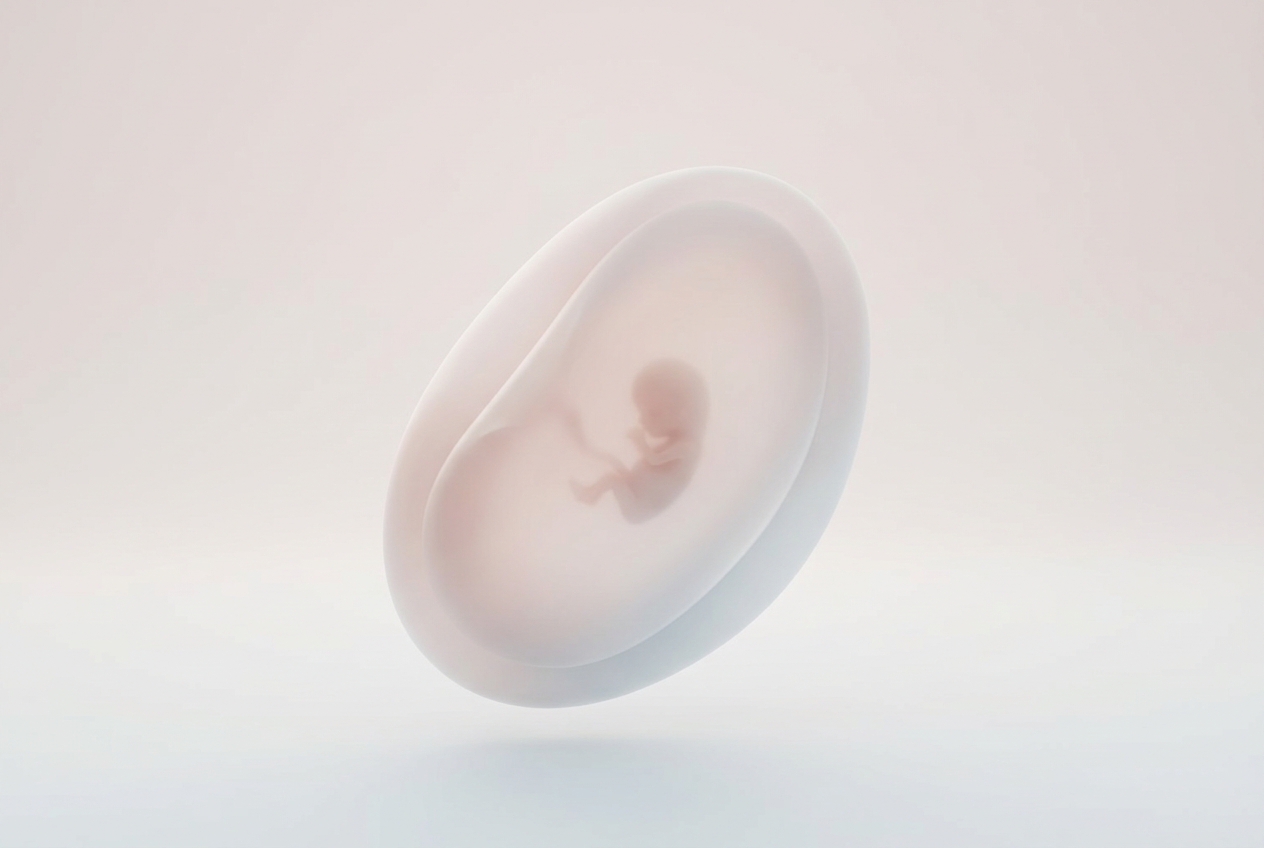
By the time many women find out they're pregnant, the neural tube, the early structure of your baby's brain and spine, has already formed.
It closes around four weeks after conception, which is why folate has to be in place before the pregnancy test turns positive. Folic acid taken in advance can reduce the risk of neural tube defects like spina bifida by up to 70%.
Why women are at risk
Folate (vitamin B9) is needed for cell division and building DNA, so demand climbs the moment a pregnancy begins and keeps rising as your baby grows. Some women are at even higher risk of falling short:
-
Those whose pregnancy is unplanned, so stores weren't built up in advance
-
Those who eat few leafy greens, legumes or fortified foods
-
Those with a previous neural tube defect pregnancy, diabetes, or on certain medications (your GP may recommend a higher prescribed dose)
Sufficient, low or deficient? Making sense of your results
Folate isn't routinely tested, and "normal" on a lab report doesn't always mean pregnancy-ready. If you are tested, red cell folate reflects your stores over the past few months better than a single serum reading does. Here's a simple way to think about it:
-
Sufficient: red cell folate at or above about 906 nmol/L, the WHO target for preventing neural tube defects. Your stores are pregnancy-ready.
-
Low: between about 340 and 905 nmol/L. Not technically deficient, but short of the target, so worth topping up before conceiving.
-
Deficient: below about 340 nmol/L red cell folate (or serum folate below 10 nmol/L). Stores are depleted and your GP should guide treatment.
-
Megaloblastic anaemia: deficiency so severe that red blood cells become large and ineffective, so your body can't carry oxygen properly. This is the medically significant stage.
Lab ranges differ, so use the range printed on your own results and talk it through with your GP.
Know the signs
Low folate is often silent. When it does show, look for tiredness, pale skin, breathlessness, a sore red tongue, mouth ulcers and irritability.
How much do you need?
Under the Australian and NZ Nutrient Reference Values (DFE means dietary folate equivalents):
-
Reproductive-age women: 400 µg DFE per day (the RDI)
-
Pregnancy: 600 µg DFE per day
-
Breastfeeding: 500 µg DFE per day
Why does the requirement keep rising? Pregnancy means rapid cell division, so needs climb and stay high. Breastfeeding stays above baseline because folate passes into your milk.
Should you supplement?
Yes, if you are planning a pregnancy. NZ Ministry of Health advice is 800 µg folic acid daily from at least four weeks before conception until 12 weeks of pregnancy (Australian guidance is around 500 µg). Ideally, start about three months ahead so your stores are well and truly full, or get a blood test first and then supplement. If you've had a neural tube defect pregnancy, have diabetes or take certain medications, ask your GP about a higher prescribed dose.
Fortified bread in Australia (about 120 µg folic acid in three slices) is a safety net, not a substitute.
Food first: build a folate-smart plate
Folate is found in leafy greens, legumes (lentils, chickpeas), asparagus, broccoli, avocado, citrus, eggs, and fortified bread and cereals. It's water soluble and heat sensitive, so steam lightly rather than boiling.
Try these pairings:
-
Steamed asparagus, poached egg and avocado on fortified toast: three folate sources in one breakfast.
-
Lentil and baby spinach salad with orange segments: a plant-based option rich in folate.
-
Chickpea and broccoli stir fry: two folate-rich foods, cooked quickly to protect the folate.
The takeaway
Don't wait for a positive test. If there's any chance of pregnancy in the next few months, start a folic acid supplement, eat your greens and legumes, and ask your GP if you'd like your levels checked.